exterior paint colors 1940

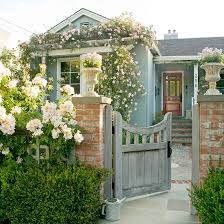
Pick the Perfect Color for Your House Choosing the right color for the exterior of your home is no easy task. No matter your taste and the style of your house, be inspired by these beautiful combinations. Everything In This Slideshow This charming cottage-style home is partially shielded from the street by a beautiful gated fence and landscaping. The color on the walls of the house offers a fresh blue-green backdrop for the lush array of colorful flowers. The reddish-brown door blends nicely with the brick accents on the fence posts and walkway. Try new paint colors! Cottage-style front door ideas. Colonial Revival: Pleasing Mix An attractive combination of colors and textures comes together effortlessly on this Colonial Revival home. A warm blue-gray color on the upper half contrasts beautifully with white below. Exposed wood shingles on certain standout features create a nice focal point, while crisp, white trim ties everything together. Exclusive: Get our best curb appeal ideas.
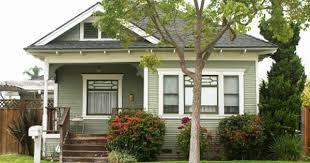
Craftsman: Fresh Earth Tones This attractive home features a fresh spin on the earth tones that help define the Craftsman style. Arts and Crafts homes typically work well with colors that reflect the style’s emphasis on natural materials and organic colors. Here, well-coordinated greens with cream trim add to the home’s relaxed, timeless curb appeal. Browse Craftsman-style home ideas. See beautiful Craftsman front doors. Classic red brick walls lend rustic charm to Tudor-style homes. Historically accurate, the stucco cladding the center gable is painted creamy white and paired with brown framing. Learn how to pick the right type and amount of exterior paint. Browse storybook-inspired front doors. Classic colors are tweaked into an up-to-date combination on this cottage-style house. The front door is an especially refreshing off-beat color that single-handedly spices up the home’s neutral palette. Dark trim around the windows matches the roof’s color and provides subtle, but eye-catching, contrast.
Get step-by-step instructions for painting your home exterior. Get a Colorful Front Door Boost curb appeal and show your color personality with a bold front door. Here are a few of our favorite looks. The warm, sophisticated neutrals and red accents blend beautifully in this Victorian-style house. The ruby red-painted door provides the scheme with a deep contrasting color that’s picked up again on the trim below the cornice, making a great color connection. The aesthetically pleasing beige and brown scheme works particularly well on this sprawling ranch-style home because so much surface area is exposed to the street. Natural stone adds texture to the facade, while the roof, front door, and garage door work in agreement with the trim. Traditional: White and Bright This traditional Low Country home features a classic white field color with bright accents. Pale blue shutters and a sunny orange door are a fresh and unexpected break from tradition. The deep blue of this Georgian-style home is a strong and inviting color.
Clean, white trim adds contrast, and a wooden door pops out and acts as a focal point for the perfectly balanced architecture. Browse beautiful traditional front doors. Eclectic: All in the Details A neutral palette is perfect for this eclectic-style house because of the details, such as divided-light windows, a columned portico, and lots of texture.
best sherwin williams paint for exterior trimThe brick walls are painted a slightly darker shade of gray than the shingled gables, offering subtle contrast.
christmas decoration in miamiThe welcoming red door provides a punch of color.
exterior high gloss white paint This charming cottage-style home features a pleasing mix of earthy colors and textures.
christmas decorations in home bargains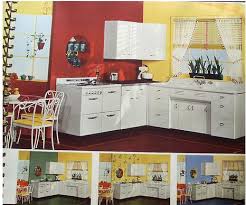
Dark-stained shakes blend nicely with the natural stone chimney while small doses of white provide contrast. Cutout patterned shutters painted dark green add color and detail. Mediterranean: Sunny Earth Tones The use of sun-inspired colors on stucco walls lends casual elegance to Mediterranean-style homes. Here, warm terra-cotta on the walls partner with earthy browns and greens on the trim and shutters for a welcoming combination.
wholesale wedding supplies singapore Browse worldly influenced front doors.
decorations to make with crepe paper Why fix what isn’t broken? The classic white-and-black combination on this traditional farmhouse sweeps you away to another place and time. A small break from tradition, the black door is a nice, unexpected touch. Pictures of farmhouse front doors.

Dutch Colonial: Warm Neutrals The sophisticated combination of gray, black, and white on this classically handsome Dutch Colonial-style home creates a feeling of harmony that is restful to the eye. White trim and a dark front door and shutters partner effortlessly with the warm gray walls. The gray works well against the natural stone chimney because it offers contrast while still blending beautifully with the grout. English Cottage: Contemporary Colors This English country cottage is updated with a contemporary color scheme of warm grays. The home shows how opting for a light field color and dark trim can have a pleasing effect. The welcoming entryway is painted the same color as the trim, and the door adds a splash of color. Before and After: Home ExteriorsDominated by WWII, design in the early 1940s was quite creative. As European designers and artists fled to the US, bringing many new ideas, development of new designs remained at a standstill until shortly after the war ended.
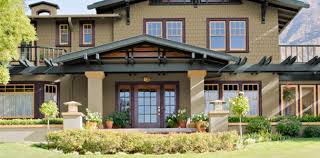
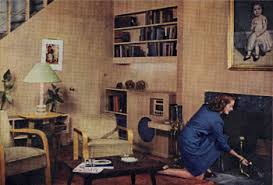
This was primarily due to material shortages. As production picked back up, people were ready to start new lives, which included redesigns of the home, especially rooms that would accompany guests. Early American, or “Colonial”, was in vogue during the 1940s. Wooden furniture with floral fabrics and ruffles were all the rage. In the mid- to late-40s, interiors were both functional and fun as people were enjoying life again. The days of rationing and frugality were over and people had money to spend on home interiors and electronics. The decade was on the cusp of two primary color palettes. Art Deco (Art Moderne) encompassed the ’20s through the early ’40s and reflected a shift to lighter and more neutral shades with metallic undertones. Popular accent colors were exotic pastels. The Mid Century Modern palette (1940s through 1960) re-introduced us to bold colors and deep tones. Earth tones were popular for exteriors of homes. Among the most popular interior colors were were navy blue, sunshine yellow, red and white, and light green.

Floral patterns were popular for bedrooms, living areas and wallpapered bathrooms. For the kitchen and dining room we had cherry or apple motifs, gingham (or checks), roosters and chickens. While primarily associated with the 1950s, it was the 1940s that introduced chrome dinette sets with Formica tabletops, as well as glass drawer pulls, and chrome and vinyl stools, into the home. Bentwood furniture and decor – made by soaking or steaming wood and bending it into curved shapes and patterns – were coming into fashion. Linoleum – especially in bold geometric patterns – was top choice for the kitchen. The material was strong and lasted many years, despite the fact it required lots of regular maintenance to keep clean and shiny. Plenty of pre-existing homes had hardwood flooring throughout the house, save for kitchens and bathrooms, often made from local species of trees. After WWII, though, carpeting became less expensive and hardwood became “outdated”. Living rooms, dens and bedrooms were updated with wall-to-wall carpeting made from synthetic fibers.
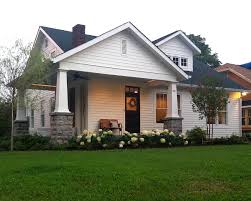
For the kitchen, canisters in chrome or enamel were available in a wide range of colors, with top choices being red, white, cream or green. In larger kitchens, canisters sat on countertops rather than in pantries. Also popular was the metal breadbox, jadeite dishware and covered cake servers. For living and entertaining areas, decor was flowery yet simple, and well put together. Grateful for the return of husbands, sons and brothers, family and closeness was key, and home design often conveyed this. Wood decor was still popular, as were clocks and sunny pictures. The 1940s brought us wooden radios and phonograph consoles, as well as covered televisions. Families would often sit together to hear or see shows, and guests would be included for momentous events. While the mid- to late-1940s introduced many new design concepts and materials, most households still kept it simple when it came to the overall look of a room. Primary focus was put on the family, so open space was key.