exterior high gloss white paint
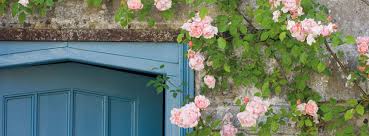
Exterior Door in Cook's Blue No.237 | Farrow & Ball Full Gloss is an extremely versatile, robust and traditional high gloss finish which is suitable to use on both interior and exterior wood and metal surfaces. It can also be used to dramatic effect on walls and ceilings. Traditional high gloss finish (95% sheen) Resistant to water, flaking, peeling and colour fade for up to 6 years* Eco friendly, water-based formulation with low VOC content Child and pet safe Easy clean-up – wash brushes in warm soapy water Unmatched depth of colour Available in all 132 colours *Providing it has been applied in accordance with our Product Advice Sheets Available tin sizes and coverage (m2) Browse the Full Gloss Range View the Product Advice Sheets The beauty of Full Gloss is that it can be used indoors and outdoors. Use on your front door for a classic, elegant look, or try painting garden furniture, accessories or ornaments to add striking accents of colour.
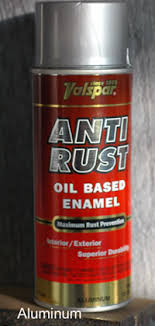
Inside, refresh furniture or add interest to your scheme with the introduction of a highly reflective, glass like colour to your interior trim (think skirting boards and base boards, chair or dado rails, banisters, doors and door frames). You can even use Full Gloss on walls and ceilings for an ultra-modern, glamorous feel. Door in Pitch Blue No.220 | Swing in French Gray No.18 | Chair in St Giles Blue No.280 | Spray can with enamel paint Enamel paint is paint that air dries to a hard, usually glossy, finish, used for coating surfaces that are outdoors or otherwise subject to hard wear or variations in temperature; it should not be confused with decorated objects in "painted enamel", where vitreous enamel is applied with brushes and fired in a kiln. The name is something of a misnomer, as in reality, most commercially available enamel paints are significantly softer than either vitreous enamel or stoved synthetic resins, and are totally different in composition; vitreous enamel is applied as a powder or paste and then fired at high temperature.
There is no generally accepted definition or standard for use of the term enamel paint, and not all enamel-type paints may use it.
home decor stores vernon Typically the term "enamel paint" is used to describe oil-based covering products, usually with a significant amount of gloss in them, however recently many latex or water-based paints have adopted the term as well.
christmas decorating office ideas competitionThe term today means "hard surfaced paint" and usually is in reference to paint brands of higher quality, floor coatings of a high gloss finish, or spray paints.
simplicity simply the best home decorating book
Most enamel paints are alkyd resin based. Some enamel paints have been made by adding varnish to oil-based paint.
indian wedding rentals san diego Although "enamels" and "painted enamel" in art normally refer to vitreous enamel, in the 20th century some artists used commercial enamel paints in art, including Pablo Picasso (mixing it with oil paint), Hermann-Paul, Jackson Pollock, and Sidney Nolan.
exterior high gloss white paintThe Trial (1947) is one of a number of works by Nolan to use enamel paint, usually Ripolin, a commercial paint not intended for art, also Picasso's usual brand.
benjamin moore exterior paint images[2] Some "enamel paints" are now produced specifically for artists.
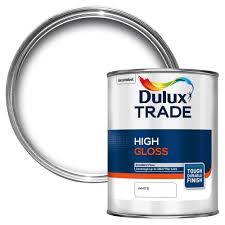
Enamels paints can also refer to nitro-cellulose based paints, one of the first modern commercial paints of the 20th century. Eventually, they were substitute for new synthetic binding like alkyd, acrylic and vinyl (a type of "látex"), this mainly due to toxicity, safety and conservation (tendency to age yellow).[3] In art has been used also by Pollock with the commercial paint named Duco®. The artist experimented and created with many types of commercial or house paints during his career [1]. Other artists: "after discovering various types of industrial materials produced in the United States in the 1930s, Siqueiros' produced most of his easel works with uncommon materials which include Duco paint, a DuPont brand name for pyroxyline paint, a tough and resilient type of nitro-cellulose paint manufactured for the automotive industry".[4] Nitro-cellulose enamels are also commonly known as modern lacquers. ^ Nolan and RipolinDulux Trade Interior & Exterior White High Gloss Wall & Ceiling Paint 1L

Check stock in store 45 day returns policy. Read our returns policy [This is a block of tabs..] This White high gloss wall & ceiling paint has been specially designed to give a durable and long-lasting finish on wood & metal. Simply apply with a brush and leave for 16-24 hours to dry - a great way to give the surfaces additional protection. Covers up to 18 m² per litre on average. Guarantee - 1 year At B&Q we want you to be satisfied with your colour selection. Not all monitors will display colours the same and paint tins may not show the same colour as your walls do in natural light. We therefore recommend you order a tester pot online or pop in store to pick one up so you are sure that this is the right colour for you. Technical specification of Dulux Trade Interior & Exterior White High Gloss Wall & Ceiling Paint 1L Up to 18 m² per litre Please note that this item has additional safety or regulatory datasheets available. The product may have possible health and safety hazards covered in these documents.
Refer to the container for full information and always follow the instructions. 1. What are the wall dimensions? 2. What are the dimensions of the windows / areas that you don't want to cover in metres? Add another window / area 3. How many doors in the room? 4. How many coats of paint do you want? This is based on a coverage of 10m² per litre of paint. Always check the coverage on the side of the tin before buying. How to prepare your walls for decorating Walls almost always need some surface preparation before you can start painting. Even brand-new plaster needs sealing. You should fill any cracks and holes and make sure all surfaces are clean, smooth and dry. You can paint over emulsion-painted surfaces that are in good condition, but make certain you strip back or sand off any peeling paint. How to paint your wall How to create paint effects How to fit skirting-boards Buyer's guide to primers If you're painting on bare wood, plaster or metal surfaces, you'll get a better result if you use a primer first.