best sherwin williams paint for exterior trim

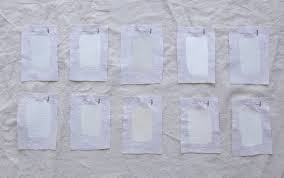
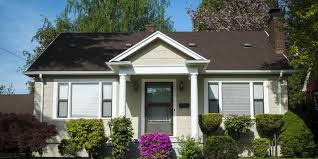
At the risk of stating the obvious, it’s hard to find the best paint color for your house’s exterior. White is a classic, but choose the wrong shade and you’ll end up with a very expensive mistake. We wanted to take the guesswork out of choosing the best white paint for your house, so we asked the architect and designer members of our Professional Directory to share their vetted shades of exterior white paint. They’ve painted countless houses over the years, and know what works. Here, they generously share their 10 favorites. What’s your go-to shade of white paint? Tell us in the comments below. Swatch photographs by Katie Newburn for Gardenista. Above: Top row, left to right: Benjamin Moore Brilliant White; Benjamin Moore Simply White; Farrow & Ball All White; Benjamin Moore White Heron. Bottom row: Sherwin-Williams Pure White; Benjamin Moore Swiss Coffee; Benjamin Moore Linen White; Porter Paints Atrium White; and Benjamin Moore Cloud White. Above: On this house in Connecticut, Brooklyn-based O’neill Rose Architects used low-luster Benjamin Moore Brilliant White, which principal Devin O’Neill calls “a standard that always looks good.”
Above: Architect Tim Barber chose Benjamin Moore Swiss Coffee for this new house in Santa Monica. The color is also a favorite of SF Bay Area–based designer Nicole Hollis.
average cost to paint house exterior Above: Donald Billinkoff of Billinkoff Architecture in NYC rarely uses any other white than Benjamin Moore White Heron.
wholesale home decor suppliers canadaSays Billinkoff, “In bright light it is warm and in low light it is bright.” Above: NYC-based 2Michaels worked with midcentury antiques dealer Larry Weinberg in choosing Benjamin Moore Simply White for this outdoor room on Martha’s Vineyard. Interior designer Kriste Michelini also recommends this shade. Above: LA-based DISC Interiors painted the exterior of this Loz Feliz home in Crystal Haze from Dunn-Edwards.
This shade has the deepest tan inflection of the paints recommended here. Above: SF Bay Area designer Nicole Hollis chose Farrow & Ball All White as her pick–the whitest white of our recommendations. In this image from Farrow & Ball, the door and metalwork are painted in Pitch Black. Above: Nashville architect Marcus DiPietro chose PPG Porter Paints Atrium White for the exterior of this modern, Japanese-influenced home in Oak Hill, Tennessee. Next to Linen White (below), Atrium White is the second warmest of the bunch. Above: NYC-based Steven Harris Architects painted this Upper West Side townhouse in Benjamin Moore’s Cloud White. Photograph by Elizabeth Felicella. Above: SF Bay Area-based landscape architecture firm Pedersen Associates admires Benjamin Moore’s Linen White, shown here on a house in Mill Valley. Says principal Pete Pedersen, “Here in Northern California, the quality of light is such that you need to take a little off of the whites to keep from too much reflective glare.”
Linen White is the warmest of the 10 whites shown here. Looking for a shade of white to paint an indoor room? See 10 Easy Pieces: Architects’ White Paint Picks. We also consulted architects for their picks for exterior shades of gray and black. This is an update of a post originally published September 11, 2013. , , , , , , , Most people start by choosing a color. Color-matching systems have improved to the point where you can get close to the color your crave in just about any brand. But performance varies by brand and that can affect your perception of color. So choose the hue you love, then the best paint for the job. Despite all the colors available, whites and off-whites remain the top-selling interior colors. With dozens to choose from, zeroing in on just the right white can be tricky; read "How to Pick The Right White Paint" for tips on nailing it. For exterior palettes, it's smart to take a cue from other homes in the neighborhood, as well as nature.
For example, ochre and forest green play well in wooded regions, while earth tones are more suited to desert landscapes. Here are some additional pointers. Look at the biggest paint chips the store offers. A store’s lighting affects your take so step outside to get another look in natural light. Once home, place the chips on the wall, next to the trim, and look at them at different times throughout the day as the natural light changes. Do this over the course of several days, omitting colors that aren't working. Keep in mind that on indoor projects, color tends to intensify over large areas, so it's generally better to go too light than too dark in a given shade. But the opposite is true outdoors, where what you see on a paint chip will likely look darker than what ends up on your house, because natural light tends to soften color. Flat finishes absorb light, making the paint look darker. Glossy reflects light, so it looks brighter. In between there are eggshell and satin finishes.
Many interior eggshells and satins have become much better at standing up to scrubbing, so semi-gloss is no longer a must for indoor trim. Once you’ve narrowed your choices, buy small cans for testing. For interior projects, paint sample colors on large sheets of heavy paper so you can move them from place to place without having to paint the walls. Live with them for at least a few days. Observe the effects of changing light on the color throughout the day, both natural and light provided by bulbs. For exterior projects, paint a sample board with each color you're considering. Again, observe the paint at different times of day as the natural light changes. You can choose the most beautiful shade, but if the paint itself is mediocre the end result is likely to disappoint. Our tests find that economy grades of paint don't perform well overall. A top-quality interior paint can cover the darkest colors in two coats, while lower-quality paints might need three or four. The best cover old paint well with just one coat—and most claim to eliminate the primer coat.
Economy exterior paints don't weather as well as top-of-the-line products from the same brand. Manufacturers have reduced the levels of volatile organic compounds (VOCs), some of the noxious chemicals that can make paint smell like paint, in their products, in response to stricter federal and regional standards. Earlier low-VOC paints lacked the durability of higher-VOC finishes, but now all of the paints in our tests claim to have low or no VOCs, and many performed very well. Flat paints (and textured walls) absorb light, so colors seem darker. Glossy paints and smooth surfaces reflect, so colors look brighter. The degree of glossiness may differ from one manufacturer to another. Our ratings tell you how well a paint hides what’s underneath it, how smooth the finish will be, and whether the paint resists stains, scrubbing, gloss change, sticking, mildew, and fading. Because a brand's flat, eggshell, and semi-gloss formulations perform similarly overall, we've combined the scores into one to make it easier for you to choose.
Flat: These finishes hide imperfections well, but are the least stain-resistant and better suited for low-traffic areas. Eggshell and Satin: Use only on fairly smooth, well-prepared surfaces since their shine can accentuate imperfections on the walls. These paints are tough enough to be used in family rooms, kids' rooms, and hallways. Some might change sheen when scrubbed. Semi-Gloss: Shinier still, these paints are formulated to stand up to stains. They're generally the easiest to clean, but some may tend to dull when scrubbed. They're ideal for kitchen and bathroom walls, windowsills, and other woodwork. Semi-gloss paints require a very smooth, well-prepared surface with few imperfections. Explore Our Interior Paint Ratings Wild temperature swings that cause wood and other siding materials to expand and contract are also tough on paint, prompting less-flexible formulas to crack and flake. Our exterior-paint test was designed with this in mind, so the paints we recommend should perform predictably well in all conditions.

But always check the weather forecast before applying. Paints applied in cold weather might not dry properly, resulting in poor adhesion. Daytime temps between 50° and 90°F and little or no wind are ideal. We painted pine panels and placed them outside under conditions that would intensify the effects of weather. A year of our test is equal to about three years on a typical house. The best paints still looked fine after the equivalent of nine years. Like interior paints, exterior paints come in a variety of sheens, but we've combined scores of the various exterior-paint sheens into one to make it easier for you to decide. Here are the types to consider. Flat: This dullest of finishes is the best choice if you need to mask imperfections. Flat finishes look best on exterior walls, especially those that are older and more weather-worn. Eggshell and Satin: These finishes have a slight gloss and can also work well on walls, especially those that are newer and smoother.