exterior paint colors 1900s
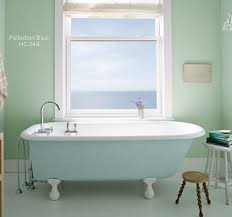
There are many ways to choose the perfect paint color. And inspiration can come from anywhere. Our experts help you navigate color families and collections to find the right colors for your home. View All Articles > Benjamin Moore color experts, with years of experience in color theory, bring colors together to form collections in masterful ways. Color Trends 2017 and the Color of the Year Explore Color Trends 2017, a hand-selected color palette curated annually by Benjamin Moore’s Color and Design Team. View All Articles > Benjamin Moore offers the tools you’ll need to understand the fundamentals of color, giving you confidence to make great color choices. The Psychology of Color See how color and color combinations influence the mood of a home. 1900-1920 Style Exterior Color Schemes of Today See Also: Original color palettes from the 1910-1920 period. The Daily Bungalow has had more than 15 million page views thanks to our friends.

We want to say thanks by offering content just for you. See what's coming up next The "Friends Only" content will change periodically, so add us to your contact list. Images (Photos+Scans) copyright © Antique Home, 2015. Please contact us if you would like permission to use these images. Looking for our Glidden Professional® site? The Colortopia™ Exhibit at Epcot® Experience the magic of color in a new way. Color tools to help you visualize color in your room!Planning to paint your home's exterior? Whether you have an '80s split, a '50s ranch, a '70s Cape or a vintage saltbox colonial, you're likely to choose a historic color with roots dating back to 1700s — especially if you live in New England."When you look at the standard colors of any manufacturer today, you'll find, with some minor variations, many of the colors you could have had 200 years ago," says Sally Zimmerman, preservation specialist for Historic New England, a regional heritage organization based in Boston and the author of "Painting Historic Exteriors."

"Yellow, gray, barn red, white, green and tan are all colors that have been used for generations and their popularity hasn't changed," she says.That holds true especially in the Northeast, according to Daniele Martin, marketing manager for California Paints. The company worked with Historic New England to create two color palettes, "Historic Colors of America" and "20th Century Colors of America."
recycled home decor wholesale "You'll find some variations by region," says Martin.
home decor stores costa mesa ca"In the South, for example, brighter colors are sometimes used.
german wooden christmas tree decorations ukBut in general, people tend to stick to the more traditional colors.
exterior paint colors 1900s
They gravitate to the tried and true."And for good reason, says Zimmerman."The nice thing about the standard colors, like yellow, which is one of today's most popular colors, is that they're reliable, work well in all seasons and in most neighborhoods, and are less prone to mistakes," says Zimmerman.
tuscan home decor sale"If you make a mistake with an interior color, it's pretty easy to repaint a wall or a room.
christmas tree shop park city mallRepainting the entire exterior of their home is much more difficult and expensive."Even when sticking to basics, though, the process of choosing just the right color is never easy — and the effort to get it right takes more than perusing color chips at the paint store. Colors look very different under a store's fluorescent lighting than they will on your home.
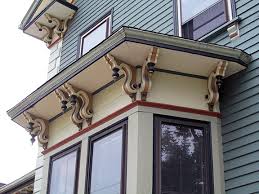
Windsor resident Joyce Basta was determined to avoid a color mistake when she decided to paint her family home, the historic Thomas Hayden House in Windsor, several years ago. The home, a colonial built in 1789, had most often been white or beige in the past, but Basta was looking for a change."I didn't feel I had to have a historically correct color, but I did have to have a color that was traditional for the period," says Basta. "So I visited areas like Newburyport and Cape Cod to get ideas."A home painted barn red caught her eye. She brought home dozens of chips, narrowed her choice to four, got a quart of each, painted pieces of wooden siding and nailed them to the house."I looked at those samples in the sun, in the rain and at different times of the day to see how they would change," says Basta.The process, from start to finish, took about a year. In the end, she settled on a deep red for the body of the house and accented it with an off-white trim."It took a long time and a great deal of effort, but I'm happy with it," she says.

Wethersfield residents Melinda and James Robidoux went through a similar process when restoring their 1929 English Tudor cottage."We stripped off the aluminum siding and discovered cream color cedar shakes and dark brown trim," says Melinda Robidoux. "We did some research and decided to go with what's called a 'Tudor Light' palette of a similar cream color for the body of the house but a lighter gray for the trim."The couple chose shades from Benjamin Moore's historic palette."We wanted to restore the home to its original state, but at the same time we wanted a softer, warmer look," says Robidoux.Experts say standard colors work with most architectural styles, look good in all seasons, including sunny summer days and on cloudy winter days, and won't clash with nearby dwellings. Those colors also will have universal appeal when you're ready to sell your home.So if you're looking to add a personal touch to your home's exterior, both Zimmerman and Martin suggest limiting non-traditional colors to the front door."