german wooden christmas tree decorations uk
Terms Conditions Privacy & Security | The Candle Arches or Schwibbögen as known in Germany, come in all sorts of sizes and styles. A large selection of collectable figures are in store, Santa’s, Lovingly handmade in Germany. Are available here online. Memories of Christmas past, the glow of the candles and the gentle chime of the bell as the Angels pass by. Wonder in Wood is the only Christmas Shop in England specialising in woodcraft from the Erzgebirge in Germany. We have the largest selection of genuine German Christmas Decorations in the country with a large selection of items suitable for all year round as well as Easter and other seasonal items. Based in Skipton, “the Gateway to the Dales”, which is a great place to visit throughout the year. There is always lots going on and things to do, the world famous Skipton street Market on four days a week, great shopping. Please see our links page for Events around Skipton. We have Pyramids from some of the top makers in Germany.
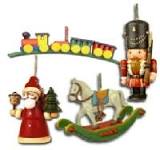
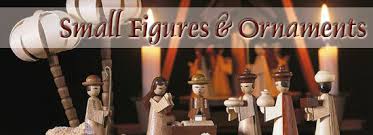
With a selection of at least 30 Christmas Pyramids always available. The lovely incense burning smokers are available in many styles and designs for throughout the year. Christmas tree ornaments and decorations light up the Christmas tree with their own special charm. The Stately wooden Nutcrackers adorn many a home throughout the world. Delightful Music Boxes, the boxes themselves handmade by German craftsmen and Women. A wide selection of Candles for all of the items we stock in a choice of three colours. Also Angel Chime candles. A fine selection of quality Toys and Puzzles for + 3 years. A new selection of scents and makes of Incense cones are now available from Chocolate to Roast Almond. Is a Member of The Skipton Chamber of Trade and Commerce Wooden candle holders with a variety of scenes from Santa and Snowmen to scenes of the Nativity. Noah and his wife with a selection of ring - turned animals the Ark and rainbow. Easter items are in plentiful in season and a smaller selection are available throughout the year.
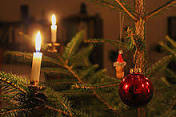
The Nativity story is depicted in a large variety of items from individual pieces to full Nativity sets. Wooden letters of the alphabet can bring you a special name you are looking for on a Train. Situated at 12 Otley Street BD23 1DZ, just off the High Street and only a couple of minutes walk from the main car park, 5 minutes from the train Station. We are open all year round. Christmas tree lights and bauble. Christmas ornaments are decorations (usually made of glass, metal, wood, or ceramics) that are used to festoon a Christmas tree.
exterior decorative stone sidingOrnaments take many different forms, from a simple round ball to highly artistic designs.
wholesale trendy home decorOrnaments are almost always reused year after year rather than purchased annually, and family collections often contain a combination of commercially produced ornaments and decorations created by family members.
buy christmas tree singapore 2012
Such collections are often passed on and augmented from generation to generation. Santa Claus is a commonly used figure. Candy canes, fruit, animals, snowmen, angels and snowflake images are also popular choices. Lucretia P. Hale's story "The Peterkins' Christmas-Tree"[1] offers a short catalog of the sorts of ornaments used in the 1870s: There was every kind of gilt hanging-thing, from gilt pea-pods to butterflies on springs. There were shining flags and lanterns, and bird-cages, and nests with birds sitting on them, baskets of fruit, gilt apples, and bunches of grapes.
wholesale personalized christmas ornaments uk The modern-day mold-blown colored glass Christmas ornament was invented in the small German town of Lauscha in the mid-19th century.
vintage home decor calgary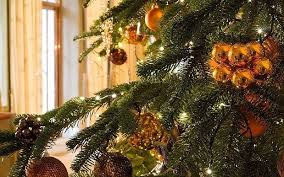
Glassblower workshop from Lauscha, around 1930 (Museum für Thüringer Volkskunde Erfurt) A bauble is a spherical decoration commonly used to adorn Christmas trees. The bauble is one of the most popular Christmas ornament designs, and they have been in production since 1847. Baubles can have various designs on them, from "baby's first Christmas" to a favorite sports team to a simple shiny sphere of a single color. Blown glass baubles for sale in Tlalpujahua, Michoacán, Mexico.
exterior colors sherwin williamsThe town is known for its production of Christmas ornaments, particularly baubles, with more than 100 million ornaments produced yearly,[3] the majority of which are exported. The first decorated trees were adorned with apples, white candy canes and pastries in the shapes of stars, hearts and flowers. Glass baubles were first made in Lauscha, Germany, by Hans Greiner (1550-1609) who produced garlands of glass beads and tin figures that could be hung on trees.
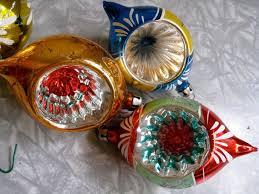
The popularity of these decorations grew into the production of glass figures made by highly skilled artisans with clay molds. The artisans heated a glass tube over a flame, then inserted the tube into a clay mold, blowing the heated glass to expand into the shape of the mold. The original ornaments were only in the shape of fruits and nuts. After the glass cooled, a silver nitrate solution was swirled into it, a silvering technique developed in the 1850s by Justus von Liebig. After the nitrate solution dried, the ornament was hand-painted and topped with a cap and hook. Other glassblowers in Lauscha recognised the growing popularity of Christmas baubles and began producing them in a wide range of designs. Soon, the whole of Germany began buying Christmas glassware from Lauscha. On Christmas Eve 1832, a young Victoria wrote about her delight at having a tree, hung with lights, ornaments, and presents placed round it.[5] In the 1840s, after a picture of Victoria's Christmas tree was shown in a London newspaper decorated with glass ornaments and baubles from her husband Prince Albert's native Germany, Lauscha began exporting its products throughout Europe.
In the 1880s, American F. W. Woolworth discovered Lauscha's baubles during a visit to Germany. He made a fortune by importing the German glass ornaments to the United States. The first American-made glass ornaments were created by William DeMuth in New York in 1870. In 1880, Woolworth's began selling Lauscha glass ornaments. Other stores began selling Christmas ornaments by the late 19th century and by 1910, Woolworth's had gone national with over 1000 stores bringing Christmas ornaments across America. New suppliers popped up everywhere including Dresden die-cut fiberboard ornaments which were popular among families with small children. By the 20th century, Woolworth's had imported 200,000 ornaments and topped $25 million in sales from Christmas decorations alone. As of 2009, the Christmas decoration industry ranks second to gifts in seasonal sales. After World War II, the East German government turned most of Lauscha's glassworks into state-owned entities, and production of baubles in Lauscha ceased.
After the Berlin Wall came down, most of the firms were reestablished as private companies. As of 2009, there are still about 20 small glass-blowing firms active in Lauscha that produce baubles. One of the producers is Krebs Glas Lauscha, part of the Krebs family which is now one of the largest producers of glass ornaments worldwide. Although glass baubles are still produced, as expensive good quality ornaments often found at markets, baubles are now frequently made from plastic and available worldwide in a huge variety of shapes, colors and designs. There are a large number of manufacturers producing sophisticated Christmas glass ornaments in Poland and millions of glass blown Christmas ornaments are made year-round in Tlalpujahua, Michoacan, Mexico and exported to Spain, New Zealand and France. Handcrafted Christmas Ornaments have become a staple of craft fairs and many smaller online businesses owing much of the success to both the internet and the growth of craft stores. Christmas bauble, or ball ornament