painting house exterior stucco

How Much Did it Cost to Paint Your House Exterior? We're asking readers to share how much they spent on a given item, project, or upgrade in the home. We hope this information proves helpful to anyone needing to get a basic sense of how much something costs, and how much you can expect to pay to hire someone. How much did it cost to paint your home exterior? If you can, let us know the size of your home, how much you spent on labor vs. supplies, and if the work included windows and trim. Was there a lot of prep and scraping involved, or anything else to consider? And lastly, since costs vary, your region of the country is always helpful too!To avoid extra work when doing exterior painting, it is wise to have a good plan of attack. Important considerations should be the sequence and procedures you follow in applying your paint. Here are some guidelines: When it comes to painting, all days are not created equal. And don't assume that just because a day is rain-free that it is a good day to paint.

If the day is too hot or too windy, your paint may dry too quickly to enable it to form the most protective film. In fact, painting in the wrong conditions can even lead to premature flaking and peeling of the paint. So, when should you paint? Here are some tips that will help you get the best results with exterior latex paints: Although many of the steps involved in painting wood siding are also required when painting other surfaces, different procedures are sometimes necessary with certain types of exterior surfaces. These include masonry, aluminum siding and vinyl siding. Masonry exteriors, including stucco, brick and concrete block, can all be successfully painted with top quality paints, but you must take certain precautions when painting these surfaces. To begin with, recognize that good surface preparation - as with all paint jobs - is critically important when painting masonry. To that end, the masonry should be sound; free of dirt, powdery dust, and loose chalk;
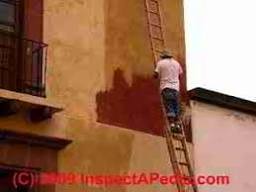
and rough enough so that the primer or paint can get a good grip on the surface. The best ways to clean and roughen the surface are to use a bristle brush, wire brush or - in extreme cases - a sandblaster, followed by a thorough rinsing.
home & decor singapore - april 2013 New unpainted masonry or unpainted masonry that has aged less than a year presents some special challenges: for one, it may still contain moisture from the original mixing;
christmas decorations on public propertyfor another, it may have a high degree of alkalinity.
home decor for condominiumAging and weathering will naturally rid the surfaces of these problems. However, if you are unwilling or unable to wait for this to happen, take these points into account:

Oil-based and vinyl water-based paints can fail prematurely if applied directly to a masonry surface aged less than one year; an alkaline-resistant sealer must first be used. 100% acrylic latex paints tend to resist the alkaline nature of fresh masonry, so they often can be applied directly to these surfaces. However, it is still best to apply an alkaline-resistant primer or sealer, even with a 100% acrylic latex paint, if the masonry is less than four weeks old. Be it previously painted or unpainted, entails other considerations. If efflorescence (white, crusty salt deposits on the surface of the material) is present, for example, you must remove it during surface preparation by scraping, wire-brushing or sandblasting. Furthermore, if your masonry shows a tendency to produce efflorescence - or if it is very porous or chalky - you should apply a sealer or latex block filler before painting. Finally, if you are applying water-based latex coatings to any type of masonry, it is advisable to first dampen the surface.

Pre-dampening will allow the paint or coating to dry more slowly, which in turn, will enable it to form a more durable film. To paint aluminum siding, begin by cleaning the surface in the standard fashion, either by power washing or hand-washing with warm, soapy water. Then rinse the surface thoroughly. The unique challenge with aluminum siding is surface oxidation, which occurs when bare metal is exposed due to extreme chalking of the original factory applied coating on the surface of the panels. If your siding has unsightly white oxidation, carefully remove all of it by rubbing it away with steel wool. Rinse off the surface to eliminate any residue. And, if any bare aluminum is exposed, spot-prime those areas with a quality acrylic latex primer. When it comes time to paint, use a top quality 100% acrylic latex California Paints exterior paint. This type of paint will provide good adhesion to aluminum siding and excellent resistance to fading. From an aesthetic standpoint, top quality latex paint forms a thick, uniform paint film that will faithfully duplicate the original surface profile of the siding, be it smooth or textured.
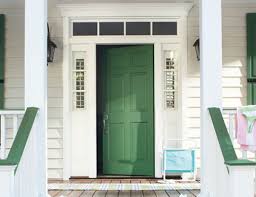
Vinyl siding is one of the best exterior surfaces to paint. and one of the easiest. All you need to do is to clean the siding thoroughly and remove any mildew with a bleach solution, then rinse the surface clean. Be sure that you don't skimp on the quality of paint you use when painting vinyl siding. Because the siding panels may have a slick surface, you need a top quality paint with excellent adhesion characteristics. Your best choice is a top quality acrylic latex paint. Oil-based paints should not be used on vinyl siding. Finally, keep in mind the things that you shouldn't do when painting vinyl siding:Home & GardenPaintingHow to Paint Your House’s Exterior How to Paint Your House’s Exterior Although siding is certainly the largest area to paint of you’re painting your house, the work goes surprisingly fast, even if you’re using a brush. And with a sprayer, you move so fast that you have to be careful not to bump into yourself! This is your reward for doing such a good prep job.

Consider a few tips for painting wood siding: New or untreated wood siding: Coat new wood siding as soon after installation as possible. Untreated wood requires a primer and two topcoats if painting, or two coats of stain. Previously untreated or bare redwood and cedar may bleed tannin through a paint finish unless you seal the surface with an alkyd primer-sealer (preferably two coats) before applying a 100-percent latex topcoat. Rough lumber: Airless spraying works best for painting or staining rough surfaces, but be sure to brush the finish as you apply it. Backbrushing, as this technique is called, gets paint into areas that the roller or sprayer misses and works the finish into the surface. Brushing also results in a more uniformly stained surface and gives you the chance to brush out drips and runs. New, smooth wood: Some new siding that’s installed with the smooth side out doesn’t accept stain well and sometimes is even too shiny for paint or solid-color stain, which is like thin paint.
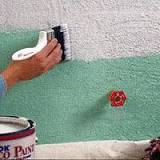
If you plan to use stain, you can have professionals install the wood siding with the rough side out. The smooth, sometimes shiny, planed surface (called mill glaze) doesn’t provide enough “tooth” for paint or solid-color stain to grab onto. Sand off the mill glaze with 100-grit paper and then stain or paint. If you plan to use a penetrating stain, you can let the siding weather for six months to a year and save yourself the sanding work. Of course home exteriors aren’t all wood. Here are some other surface considerations: Painting hardboard siding: You can topcoat previously painted hardboard siding if the finish is clean and in excellent condition. The American Hardboard Association recommends using an alkyd primer if you’re painting over the original factory finish or if you’re unable to determine when the existing finish was applied. After cleaning and making any repairs, use an alkyd primer to spot-prime any areas where you removed the existing finish. Painting aluminum siding: People usually think of aluminum siding as maintenance-free, but the finish eventually fades and ages.

If you’re happy with the color but the finish looks dull, try cleaning the siding with a wood-cleaning product designed to renew wood decks. Another approach that works wonders is to apply a coat of Penetrol, a paint conditioner. Buy a pint and test it in an inconspicuous spot. Often, it will renew the luster so that you don’t need to repaint. If Penetrol does the trick, apply it with a sponge or paint pad over the entire surface. If you decide to paint after all, Penetrol provides an excellent base. If you’ve made repairs that expose bare metal, you must spot-prime those areas with a primer formulated for aluminum or galvanized metal. Painting brick, stucco, and concrete: Generally speaking, you can paint brick, stucco, concrete, or concrete block with exterior latex paint after you clean the surface to remove accumulated grime. Use a finish with a satin sheen to make cleaning easier the next time. Think twice before you tamper with unpainted brick, because removing paint from brick is nearly impossible.