best exterior paint for pvc
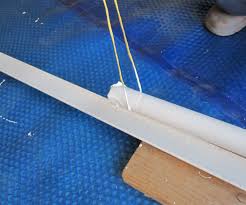
Show All ItemsIf you make PVC structures that are meant to be outdoors full time, you might find they fall apart quickly.This is because the sun bakes them and makes the PVC brittle in short order.In order to UV protect your PVC, use outdoor paint on them.The trouble is that painting a lot of tubes can be quite time consuming, spray painting is expensive and toxic, and a decent HVLP sprayer system is very expensive. Hand painting after the structure is assembled is time consuming and error prone. This describes a relatively fast and inexpensive way to apply a good UV protection coat of standard outdoor latex paint onto your PVC.Step 1: Step 0: Read the safety manual for any power tool you use for any project. In fact, read 2 or 3Show All ItemsThere is a difference between doing what you mostly recall is safe, and reading to know what is actually safe.The finger you save might be your own.« PreviousNext »View All Steps Download(Image credit: Ashley Poskin) So what's the deal with vinyl spray paint: does it work, or is it a waste of time?

I just couldn't believe that you could completely change the look of a piece of furniture for the price of a can of spray paint.
christmas trees for sale lincolnSo I decided to do a bit of my own research.
benjamin moore exterior house paint (Image credit: Ashley Poskin) I started with 3 almond colored, lightly stained vinyl chairs. Each chair was in the same condition, nothing major —just ugly. Once painted, I sat in, and encouraged friends/family to sit in the chairs every time they came over for two weeks. We wiggled, scooted, bounced and scratched. These are the results: This is not specifically a "vinyl spray paint" but the back of the can said it was intended for use on everything from metals and plastics to papers and fabrics. The main reason I wanted to try this paint was because it was offered in a range of different colors that the Rust-oleum brand didn't have.

I knew I wanted to try to paint the welting in a different color, so it seemed like a good option.I ended up having to use two cans to cover over the original almond color of the chair. It comes out in a pretty thin stream and streaks very easily. Texture: The paint was a satin finish, the chair turned out the same.Fabric was able to move without cracking, although I'm hesitant about the paint withstanding long-term use. I worry that since the coverage was so thin, minor cracks would start to show up eventually.I was unsuccessful in my attempts to knock any paint chips out of the chair. Overall: Even with multiple layers of paint, the surface kind of felt flat and insubstantial. Compared to a paint designed specifically for vinyl, this paint was underwhelming, my least favorite of the bunch. This can said it would have a "flexible vinyl coating" and states that it can be used on simulated leather and some fabrics. It also says it won't crack, or peel.The paint comes out in a pretty thick, steady stream for great coverage.
I covered the entire chair in one coat and finished up by giving a few areas a second hit. Texture: The finish wasn't labeled on the can but it turned out somewhat shinier than satin, but not quite gloss. Flexibility: Good, fabric was able to move without cracking. Overall: While it's the most boring chair to look at (This was the last one to be painted, all my creative ambition was used up on the first and second chair!) it's my pick for best overall and it's the paint I would recommend if you plan to paint and actually use a chair or another piece of furniture. This can says its for use on fabric & vinyl surfaces, simulated leather and some fabrics. It also says it won't rub off, crack, or peel. It seems more marketed towards automotive projects.The best coverage out of all three paints tested. It's actually kind of unreal, it sprays out so thick and textured that you don't really have a lot of faith that it will find it's "glossy" finish. Texture: I grabbed a can of gloss, and it truly is glossy -you might even say "high gloss".
The fabric was able to move without cracking although it did take a while to get back to its original shape after being sat on. Chip test: Normal chair/sitting behavior was fine, however when I put it to the same test as the other chairs (using my fingernail to pick out a paint chip) it failed. I was able to take multiple paint chips out of the chair. Overall: If I wouldn't have had an issue with the paint chipping, this can would have got my vote for "best in show". The coverage was fantastic, and could easily cover over a mended area on a seat. I would recommend it for use on a piece that you don't plan on using every day. Sign up or log in to customize your list. Here's how it works: Anybody can ask a question The best answers are voted up and rise to the top I'm looking at hooking up some rain barrels using PVC piping. Is there a certain type of PVC that would be best to use for this, considering that it will be exposed to sun/rain/heat/cold? Lots of people seem to use "regular" white PVC but I didn't think that was intended for outdoor use.
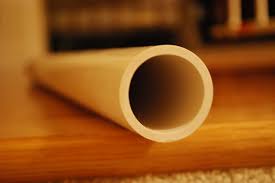
All PVC is subject to UV light degradation. PVC without UV protection will eventually suffer a loss of impact resistance. Your pipe will be whole, until impact at which it will shatter or crack instead of flex. Some PVC (PVC UVR) is UV resistant. The sunlight still damages the PVC pipe, but it is in a matrix of other chemicals that compete for the UV light (stealing it away from the would be damaged PVC). PVC UVR will degrade, but at a slower rate. Thicker wall pipe will take longer to fail, as the UV will be caught by upper layers before penetrating lower layers. Painted pipe will not fail, provided that your paint blocks or reflects UV light (and nearly all paints do). You are right, a lot of people use PVC pipe, but mostly it is meant to be used in buried applications (where it will be shielded from UV light); however, most of those buried applications come out of the ground at some point. Typically the out-of-ground portions are not properly protected, which is just a timer for eventual failure.