benjamin moore exterior paint historic colors

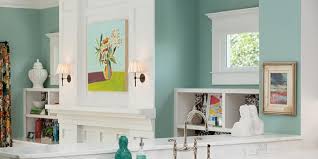
"Presidential Suite" at the George Washington Inn painted with Benjamin Moore's "Historical Colour Palette" Photo courtesy of George Washington Inn. All rights reserved by George Washington Inn. Residence painted with Benjamin Moore 50-year exterior paint Dining Room painted with Benjamin Moore's "Regal Aquavelvet Eggshell" in the color "Milkyway" La Fonda Teal, National Trust for Historic Preservation Collection, Valspar “Although the tradition has long been associated with Gullah Geechee ‘haint blue,’ I’ve also been told a blue porch ceiling keeps mud daubers and wasps from nesting. This shade reminds me of my grandmother’s blue eyes.”—Louise Bance, interior designer, Richmond, Virginia Cottage Red E-22, Benjamin Moore “The color is very close to one inspired by Creole Red, a hue native to Louisiana. Prior to the development of manufactured paint pigments, natural materials were used to produce color. Animal blood, earth, and berries were likely enlisted to produce a shade close to this one.”
—Louis J. Aubert, color specialist, New Orleans, Louisiana Blue Danube 2062-30, Benjamin Moore “Painting a front door a bright color is a way of giving a house a stamp of personality and setting the tone for what you might see inside. On a traditional house, this pop of peacock blue livens up a white brick or shingle-style house. I also love to use it to warm up a modern house.”—Barrie Benson, interior designer, Charlotte, North Carolina Dutch Chocolate 6012, Fine Paints of Europe “There is something about a Southern library that calls for a rich tobacco brown. Maybe it’s the association with leather club chairs worn to perfection or tooled book bindings, but this marine-grade lacquer is the perfect color and finish.”—Beth Collier, designer, Washington, North Carolina Historic Charleston Green DCR099, Historic Charleston Foundation Collection, Sherwin-Williams “This interpretation of Charleston green is such a deep and saturated color, it creates a sense of movement and dimension—like a deep pool that you just want to dive into.
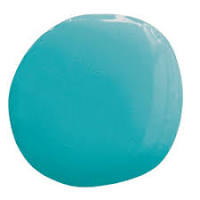
I have a visceral attachment to this color because it is so similar to the color of the exterior of my grandmother’s house in Thomasville, Georgia.”
exterior colors sherwin williams—Gil Schafer, architect, New York, New York Ammonite, Farrow & Ball “I often choose a room’s ceiling color based on the wall colors of the room, but sometimes it’s nice to tie all of the rooms together through the ceiling color. Farrow & Ball’s Ammonite is a pale, soft gray/white that lends a sense of sophistication and modernity. It reminds me of the gray in the ocean here in Charleston.”—Angie Hranowsky, interior designer, Charleston, South Carolina Large Dining Room Green MV1, Mount Vernon Estate of Colours, Fine Paints of Europe “Brilliant, glossy, green verdigris-based paints were used in the late eighteenth century at Mount Vernon in the dining rooms. Verdigris is a copper-based pigment that darkens on exposure to weathering.

This paint approximates the color of the hand-ground original.”—Susan Buck, conservator and paint analyst, Williamsburg, VirginiaPlanning to paint your home's exterior? Whether you have an '80s split, a '50s ranch, a '70s Cape or a vintage saltbox colonial, you're likely to choose a historic color with roots dating back to 1700s — especially if you live in New England."When you look at the standard colors of any manufacturer today, you'll find, with some minor variations, many of the colors you could have had 200 years ago," says Sally Zimmerman, preservation specialist for Historic New England, a regional heritage organization based in Boston and the author of "Painting Historic Exteriors." "Yellow, gray, barn red, white, green and tan are all colors that have been used for generations and their popularity hasn't changed," she says.That holds true especially in the Northeast, according to Daniele Martin, marketing manager for California Paints. The company worked with Historic New England to create two color palettes, "Historic Colors of America" and "20th Century Colors of America."

"You'll find some variations by region," says Martin. "In the South, for example, brighter colors are sometimes used. But in general, people tend to stick to the more traditional colors. They gravitate to the tried and true."And for good reason, says Zimmerman."The nice thing about the standard colors, like yellow, which is one of today's most popular colors, is that they're reliable, work well in all seasons and in most neighborhoods, and are less prone to mistakes," says Zimmerman. "If you make a mistake with an interior color, it's pretty easy to repaint a wall or a room. Repainting the entire exterior of their home is much more difficult and expensive."Even when sticking to basics, though, the process of choosing just the right color is never easy — and the effort to get it right takes more than perusing color chips at the paint store. Colors look very different under a store's fluorescent lighting than they will on your home.Windsor resident Joyce Basta was determined to avoid a color mistake when she decided to paint her family home, the historic Thomas Hayden House in Windsor, several years ago.
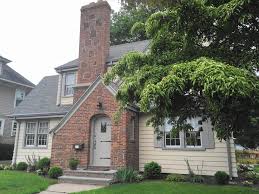
The home, a colonial built in 1789, had most often been white or beige in the past, but Basta was looking for a change."I didn't feel I had to have a historically correct color, but I did have to have a color that was traditional for the period," says Basta. "So I visited areas like Newburyport and Cape Cod to get ideas."A home painted barn red caught her eye. She brought home dozens of chips, narrowed her choice to four, got a quart of each, painted pieces of wooden siding and nailed them to the house."I looked at those samples in the sun, in the rain and at different times of the day to see how they would change," says Basta.The process, from start to finish, took about a year. In the end, she settled on a deep red for the body of the house and accented it with an off-white trim."It took a long time and a great deal of effort, but I'm happy with it," she says. Wethersfield residents Melinda and James Robidoux went through a similar process when restoring their 1929 English Tudor cottage."

We stripped off the aluminum siding and discovered cream color cedar shakes and dark brown trim," says Melinda Robidoux. "We did some research and decided to go with what's called a 'Tudor Light' palette of a similar cream color for the body of the house but a lighter gray for the trim."The couple chose shades from Benjamin Moore's historic palette."We wanted to restore the home to its original state, but at the same time we wanted a softer, warmer look," says Robidoux.Experts say standard colors work with most architectural styles, look good in all seasons, including sunny summer days and on cloudy winter days, and won't clash with nearby dwellings. Those colors also will have universal appeal when you're ready to sell your home.So if you're looking to add a personal touch to your home's exterior, both Zimmerman and Martin suggest limiting non-traditional colors to the front door."Try a deep purple, a persimmon or a bright blue," advises Zimmerman. "It's a low-risk, great place to express yourself."