temperature to paint house exterior
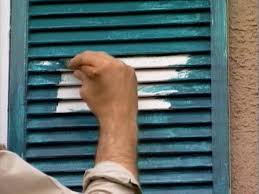
Painting the exterior of a house can be a demanding job. But you can save yourself a lot of work by preparing properly for the project. First, decide how much of the exterior will be painted. Only the shutters or trim may need to be painted rather than the entire house. Next, determine the colors and the types of paint you want to use. Many companies now provide recommended color combinations with their sample books to show you what colors look good together. If you're having a hard time making up your mind, purchase a quart of each of the colors you like, and use the paint to create larger samples for easier comparison. Keep in mind the color you choose should fit in with the rest of the houses in your neighborhood. Most likely a latex paint would be better because latex is easier to clean and lasts at least as long as oil-based paints. Whether you choose latex or oil-based paint, always purchase the best paint you can afford. Otherwise you're likely to spend lots of time applying additional coats.

Before beginning the painting project, the surface of your house should be clean, dull and dry. Wash off any chalk, dirt and mildew. Protect landscape plants by covering them with plastic. After cleaning the house, scrape off any peeling or cracked paint, then sand and prime the area. When you've finished priming, begin painting the trim. Semigloss paint works well on trim. The brush used is almost as important as the paint itself. With latex paints, use a brush made of a nylon/polyester blend. Use a natural-bristle brush with oil-based paints. For maximum control, hold the brush so that it balances on your hand at the point where the handle meets the brush. Place your fingertips on the metal ferrule, and use your wrist to guide the brush. The paint will flow more smoothly from the brush. Pay attention to the temperature. For best results, paint on days with low humidity, when the temperature is between 75 and 85 degrees Fahrenheit. Follow the shade so that your fresh paint isn't exposed to direct sunlight;
otherwise, heat blisters may develop. Be careful to keep a "wet edge" by overlapping painting areas over the areas you finished most recently. Don't paint into a drying paint film: the film could buckle. The best way to paint shutters is to remove them and spray them away from the house. If you must paint them on the house, use an angled sash brush. When choosing a color for shutters, keep in mind that dark colors absorb more heat and can cause vinyl shutters to warp.
model home furniture for sale in raleigh nc Apply an oil-based primer coat to metal doors before you begin painting.
house decorations for 21st birthdayThis step is especially important if the door is exposed to weather.
exterior decorative moulding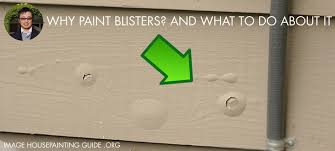
Allow the primer to dry for 24 to 48 hours, next apply two coats of exterior paint.Credit: George RetseckAdvertisement | Have you ever wondered if changing the color of your house does anything other than alter its appearance? Could it also be doing something as practical as influencing how much money is spent on energy bills? On hot summer days, people consume a lot of energy to keep their houses cool. If less energy could be used to do this, not only would it save people money, it might also help the environment by decreasing the amount of energy we use! In this activity, you will test which colors may keep a house from getting quite as hot. Maybe you'll even find a good color to repaint your home! How does the color of your house affect the temperature inside? To answer this question, think about the clothes that you would wear on a hot, sunny day. Would you rather wear a light-colored shirt or a dark one? You'd probably get much warmer in a dark shirt compared with a light one.

This is because the lighter shirt reflects more light than the darker one, which absorbs much more light, or energy, warming up the shirt. It then transfers the heat to your body, warming you more than the light-colored shirt would. The house color works on the same principle. • Black, white and gray construction paper • Three cardboard boxes, all the same size. For example, this could be three shoe boxes or three cereal boxes • A sunny spot outside on a hot day • Carefully cut the white construction paper into pieces so that it can cover the entire surface of one of the cardboard boxes. • Use the rubber cement to attach the paper to the box, attaching the paper as smoothly as possible so that there are no air pockets between the paper and the box below it. • Just as you did with the white box, attach the gray and black construction paper, cementing each color on one of the other two boxes. You should now have a white box, a gray box, and a black box.

• Put the thermometer in the white box, close it, and take it outside. • Place the white box in the sunny spot you picked. Leave it there for 30 minutes. • After 30 minutes, open the box and quickly read the temperature on the thermometer. How hot was it inside the box? • Put the thermometer in the shade somewhere near the box (still outside). After it has adjusted to the shade, read the temperature. How hot was it in the shade? • Repeat these steps with the gray and black boxes, separately. How hot was it inside the gray and black boxes after 30 minutes? How did the temperature in the boxes compare with the temperature in the shade nearby? • Which box was the hottest after 30 minutes, and which was the coolest? How did their temperatures compare with the temperatures in the shade? • Tip: Try to test all three boxes in the same cloud conditions. For example, try to test them all when it is sunny for the 30 minutes or test them all when it is partly cloudy for the 30 minutes.

If cloud conditions change while testing one of the boxes, try retesting it again later during similar conditions. • Extra: How does a house's color affect how warm it stays during the winter? You can investigate this by repeating this activity but this time test the boxes on top of a tray of ice (covered with a white plastic bag to keep the boxes dry). Which color box stays the warmest in winterlike conditions? • Extra: What about colors other than black, white and gray? To more closely mimic a real house you can repeat this activity, but instead of using construction paper, paint the boxes different colors. Most major paint manufacturers can tell you the light reflectance value (LRV) of any color paint. For example, white usually reflects 80 percent of the light that shines on it whereas for black it is 5 percent. Conduct your test for a series of colors with different LRV values. How does the temperature change with the paint color's LRV? • Extra: House color is only one aspect of house design.

Does the material you choose on the outside of your house make a difference? In this activity you used a box wrapped in paper material to simulate a painted house. What about real materials used to cover houses? Try this activity again using different materials: adobe, stucco, wood, siding, metal, etcetera. Do some materials keep the house cooler than others in hot weather? Was the black box the hottest and the white box the coolest, with the gray box somewhere in between in temperature? Just like keeping cool in a light-colored shirt on a hot day, the white box reflects more light than do the darker boxes. The white box should be the coolest inside, compared with the temperature in the shade nearby. The black box absorbs the most light, and this energy is transferred inside of the box over time and warms up the thermometer. The black box will probably be the hottest compared with the temperature in the shade. The gray box absorbs some light, so it will also be warmed up, but its temperature will be somewhere in between those of the black and white boxes.