best way to paint metal lockers

School Hallway Lockers Made of High-Density Polyethylene (HDPE) [ Page 1 of 7 ] Learning Objectives - After this course, you should be able to: Identify and recognize the durability and sustainability characteristics of HDPE plastic lockers as compared to other material choices for lockers. Investigate the design options in using HDPE plastic lockers that make them suitable for school hallway locker installations including acoustic indoor environmental quality benefits. Assess the contributions of HDPE plastic lockers to green building and product programs such as the LEED for Schools program and GREENGUAR D Schools and Children certification. Specify HDPE plastic lockers with green attributes and recycled content for use in K-12 school corridor settings. Lockers used in a K-12 school corridor have a lot of demands placed on them. They need to hold up to heavy daily use and sometimes abuse, they need to be easy to maintain, and they need to work within the overall design scheme for the school building where they are located.

When they are used in green school designs, they are subject to the scrutiny of additional requirements including material usage choices and contributions to indoor air quality. The traditional selections of metal and wood lockers are now being supplemented by products made out of high-density polyethylene (HDPE) which address all of these common and green building demands. Further, recent material improvements make them fire code approved for use in hallways while offering design options suitable for many school building designs.
exterior wood paint oil based Performance characteristics of locker materials
rent wedding decorations colorado All lockers used in schools are made to address issues of strength, durability, maintenance, cost effectiveness, and related criteria.
diy table decorations for 21st birthday
Some perform better than others in meeting these criteria with the difference commonly coming down to the materials used for their fabrication. This is illustrated in the following discussion comparing metal, wood, and HDPE lockers. Lockers made out of painted metal have been a common and long-standing choice among many school districts and architects. They are typically viewed as a low-cost option and a standardized product. However, the cost benefit is limited to the initial purchase cost of the lockers only. Over time, they have been shown to require significant maintenance and attention which translates to more costs for several reasons. While metal is seen to be fairly durable, it certainly bends and is susceptible to dents and other damage. Sometimes that damage interferes with the proper operation of the locker meaning it must be repaired right away to continue to be usable. Other times it may simply be unsightly, or may cause damage to the paint covering the metal as well.

When the paint is compromised, then the metal is unprotected and that can lead to further damage such as corrosion or rust. This creates issues of both security and appearance if the damage occurs on the outside of the locker. It can also be a significant issue on the inside of the locker, particularly if wet boots or other items are placed on the metal locker bottom, scraping the paint off and causing rusting of the bottom. That rust could eventually require the bottom or the whole locker unit to be replaced. Additionally, it could stain adjacent surfaces that would then require corrective maintenance. In addition to the durability limitations of painted metal lockers, there are issues with keeping them clean and attractive, particularly in hallway locations. Painted metal has very low resistance to graffiti, scuffs, and stains. Removal of any of these is typically not an easy task and may require the use of solvents that can damage the painted surfaces. The choice of available cleaners may also be limited by indoor air quality concerns, particularly in a green school building.
In certain cases, removal may not be readily possible and the only option is to repaint. It is no surprise then that the cost of repainting metal lockers is often factored into school operating and maintenance budgets because it is regularly required and anticipated. While this repainting might be needed because of any of the damage or vandalism issues discussed previously, it might also be attributed to fading over time, particularly if the lockers are subjected to direct sunlight. Whatever, the reason, it adds costs to the use and operation of the lockers which aren't always recognized when the focus is only on initial up-front costs. When it comes to the actual opening and closing of metal lockers, it should be noted that the metal is a noisy material. Locker doors banging or just operating normally can generate a notable noise level, particularly if many of them in a corridor are being accessed at the same time.Home » Blogs » Meg Makes » July 2013 Meg Makes: Stripping the paint off of our cool old locker
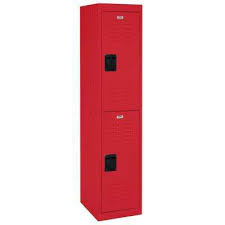
Fri, 07/26/2013 - 8:01am | I was talking to a friend last weekend after I bought a cool old locker from the PACA architectural salvage warehouse. I told her I planned to strip it when the weather got cooler. She predicted I wouldn't be able to wait long before starting that process. She was right, and luckily, the temperatures in the 70s this week made stripping the locker quite pleasant. Rob and I used mostly the same strategy as when we removed the paint from our cool metal vertical file to strip the locker. We finished the bulk of it in about four hours Wednesday evening, and I finished it in about an hour yesterday. I used more of the gallon of Strypeeze stripper I bought last fall for the vertical files, and again used a putty knife and a scraper, steel wool, soapy water, rags and plenty of newspaper to get the job done. We stripped the locker in our driveway, first working on it as it stood upright, then putting it on sawhorses to get better leverage while scraping.

The cream-colored paint required quite a few coats of stripper to remove. I was especially excited when the paint came off the locker number, which managed to retain its black coloring so you can actually read it. After we got the paint off, a coat of olive green rust inhibitor remained. When we stripped the vertical files, brush cleaner and steel wool took off that layer. We must have used the last of it last fall, though, and rubbing the inhibitor with both acetone and mineral spirits (in different areas - we try not to mix chemicals!) didn't work very well. By pure accident, I finally found that Strypeeze applied to steel wool and rubbed vigorously on the rust inhibitor took it off. That was a relief - Rob, who's a notorious worrier, says brush cleaner is really nasty stuff and he wasn't keen on buying more for this project. I finished taking off the last of the rust inhibitor last night. I then scrubbed the locker down with soapy water and dried it with rags to prevent water spots.