best quality sherwin williams exterior paint

How to Paint Aluminum Siding One common question that Danny and I receive on the radio show is, “Can I paint aluminum siding; and, if so, what is the best method?” The key to painting aluminum siding is preparation and priming. All of the chalkiness must be washed and scrubbed off, and any flaking paint removed. In a nutshell, you need to start with a clean palette. Once everything is clean and dry, you’re ready to apply your primer. Here’s where a lot of people make a mistake and, unfortunately, I’ve even heard of “professional” painters who do this. They apply a latex primer. This is probably the worst thing you can do when painting aluminum siding. Most latex paint has ammonia in it, and that includes primer. Ammonia has a chemical reaction to aluminum, which produces a tiny amount of gas. Latex paint, by nature, is very elastic, so you end up with an elastic coating with gas bubbles underneath it. If you don’t quite see the problem here just think about how your own insides react a couple of hours after eating two or three bean burritos . . .

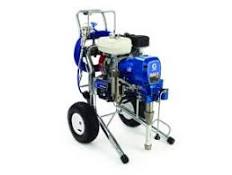
The gas build-up under the latex primer pushes up and out, which bubbles and flakes the top coat, in other words, it causes the paint to fail. The solution is to use an oil-based primer specifically designed for metal surfaces. You will have to wait longer for an oil primer to dry, but it’s better than having to re-do everything within a year or two. Once the primer is dry, top coat with a 100% acrylic paint. If you take this approach to your aluminum siding paint project, you’ll have a long-lasting finish you can be proud of. Videos You May Like How to Paint Vinyl SidingProfessional contractors choose Graco for all their paint spraying equipment. From entry level equipment for small projects, to heavy-duty paint sprayers for large commercial applications, Graco has the highest quality and best performance equipment in the industry.As I write this post about oil-based paint I realize that the information is quickly disappearing from both common knowledge and usefulness today.
If you live in California I don’t even think you’re allowed to buy oil-based paint anymore (at least not in any significant quantities). The landscape of house painting has been changing ever since water-based paints were first introduced by Sherwin-Williams in 1941. Kem-Tone, as it was called proved that water-based paints were a possibility. And it’s no secret that water-based, or latex paints, are easier to work with, better for the environment, and longer lasting than most oil-based paints. But there is still a place for oil-based paint today. And if you live in an old house, knowing how to work with oil-based paint is almost a requirement. What You Need To Know About Oil-Based Paint Slow-Drying – Oil-based paint is notoriously slow drying and the reason we have the saying “It’s like waiting for paint to dry.” Most oil-based paint takes about 8 hrs to dry enough to recoat as opposed to latex paint which takes around 2 hrs to recoat. This may sound like a problem at first as it definitely slows down the whole process.

But this slow drying allows oil-based paint to flow out better and provide a smoother finish than latex paint. This slow process allows brush marks to level out remarkably well. Good Ventilation – If you’re working with oil-based paint you need better ventilation than you do with latex paint. Make sure to open windows and put a fan in the doorway to pull in fresh air.
home decor allen txOil-based paints usually have a much higher VOC content than latex paints which is why the extra ventilation is needed.
home decor target audience Yellows in Dark Areas – If you have old oil-based paint on your closet’s baseboards chances are it’s pretty yellow.
wedding rental supplies jamaica
Light colored oil-based paints are notorious for yellowing with age and in dark areas, The more sunlight it gets the less it yellows. If exposed to more sunlight the yellowing will fade away though, and though today’s oil-based paints have gotten better about holding their color it’s still a problem. Can Be Mildew Prone – When used outside oil-based paint has a tendency to mildew.
average cost to paint house exteriorThis is especially prevalent in varieties that contain larger quantities of linseed oil.
benjamin moore exterior house paint You Need A Specific Brush – Oil-based paints require a different brush from latex paints.
where to buy cypress home decorThere are some brushes that work with both latex and oil, but natural bristle brushes work much better with oil-based paints.

They are readily available wherever you can buy paint brushes. They will usually say “For Oil-based Paints” on the brush holder. Hard Finish – One of the qualities of oil-based paints that manufacturers have struggled to create with latex paint is a hard durable finish on enamel paints. For doors, trim and moldings nothing beats the hard, durable finish of an oil-based enamel paint. And that hard finish makes it an excellent choice for doors and windows because that hard finish eliminates the sticking that often happens with latex paints. The hard finish also unfortunately prevents the paint from being as flexible as latex which is why old oil-based paints begin to crack and chip off. Temperature swings and expansion of the surface eventually breaks the harder paint film of an oil-based paint. Difficult Clean Up – If you’re painting with an oil-based paint the clean up is a bit more involved. Oil-based paint is pretty much impervious to water so you’ll have to use paint thinner or mineral spirits to clean your brushes.

Here’s some tips for using mineral spirits: Make sure the area is well-ventilated. Pour some into a bowl and vigorously mix your brush for about a minute. Pour the used portion into a sealable metal container. Repeat this process until the mineral spirits comes out clear and the brush is clean. Dispose of the used thinner or mineral spirits at your landfill’s hazardous waste drop off. And there is one last thing you need to know about oil vs water based paints . . .I would think it’s obvious to most people the mixing a can of oil-based paint with a can of water-based paint wouldn’t be a good idea, but I’m talking about something else here. If you are painting oil-based paint on top of latex paint then you have to prime the latex first. Latex paint and oil-based paint expand and contract at two different rates. So, if you paint oil-based paint on top of a latex paint without priming first, the latex will flex so much underneath that the oil-paint will quickly fail.