best exterior latex house paint
Possibly the best exterior finish is elastomeric paint. This coating is so durable it can out perform even the best 100% exterior acrylic paint by 2 to 1. Elastomeric paint forms a durable, tough film that provides a waterproof coating to almost any structure. This paint is resistant to sunlight, heat, cold and wind driven rain. Plus, it can be applied to all masonry surfaces, particularly stucco and concrete block. But is equally suitable for wood and T-111 siding, check your particular manufacture for compatibility with wood. You can eliminate cracking in masonry and many types of wood with this very thick coating. Elastomeric coatings have tremendous elongation characteristics, it will bridge and repair non-structural hairline cracks. This is especially useful with stucco that has developed numerous cracks. But wood surfaces, such as T-111 siding, can gain great benefits from its use. T-111 siding develops a large number of cracks over time. These imperfections must be completely filled with primer and paint or water will penetrate beneath the finish and cause peeling.

Many homeowners, and painters alike, try multiple coats of paint to fill these cracks. This doesn’t last very long. With peeling starting in just 2-3 years with the paint degenerating quickly there after. With 2 coats of elastomeric paint over an excellent primer, the cracks will be filled and water will not be able to penetrate. When properly applied a 100% acrylic paint can last 10 years, but an elastomeric coating can last much longer. This is due to increase costs per gallon plus a small spread rate, 50-75 square feet per gallon is typical. If you are paying for labor as well, the cost of application of this coating will be also be higher. A do-it-yourself home owner can apply this product, if you have previous painting experience. I have applied this coating to T-111 and masonite siding, plus stucco and concrete block, with excellent results. Providing a beautiful finish that will last for many years. Brush and roller or airless paint sprayer can be used to apply this type of coating.

Because of the heavy consistency of this product, a large powerful sprayer is needed. 1 gal per minute output or more is recommended with a tip size of 521 or larger. Choose the spray tip according to the pump manufactures recommendations. Thin this paint with water, if needed, and clean up with a mild soap and water.A great exterior painting job can vastly improve a home’s curb appeal, while a home with a subpar exterior can quickly become a neighborhood eyesore.
best exterior paint for minnesota Educating yourself about exterior paint application and maintenance is the best way to avoid having to repaint your home too often.
benjamin moore exterior paint images A poorly done paint job can force you to repaint in just a couple of years, but knowing how to properly prep your home for painting and care for it afterward can extend the life of the paint job significantly—possibly by up to a decade.
benjamin moore outdoor paint finishes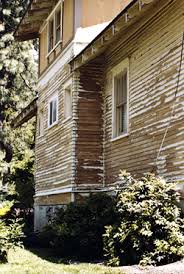
Preparation is the key aspect to achieving a long-lasting exterior paint job. Painting over dirty, moldy, chalky, or flaky surfaces will weaken the paint’s ability to adhere to the surface. If the paint cannot properly adhere, you will be left with an uneven paint job that is prone to chipping and flaking. Whether you are tackling the painting process on your own or hiring a professional, make sure the proper preparation steps are taken to ensure that your paint has the best chance of adhering successfully and remaining in good condition for a long period of time.
party shop london road southend Check out our blog posting for an in-depth look at exactly what goes into good exterior painting prep work.
christmas decorations in colonial america For most exterior painting jobs, acrylic latex paint is often the best choice.
wedding decor rentals richmond va
Acrylic latex paints are versatile because they can be used over either water- or oil-based primers. They don’t harden over time, which can help prevent blistering, and they don’t mildew as easily as oil-based paints. Additionally, acrylic latexes emit fewer VOCs, making them the more environmentally friendly way to go. Oil-based paints are still preferable for certain types of projects due to their ability to repel water and resist wear. Steel and iron railings as well as areas that get walked on frequently, such as steps, stoops, and porches, can benefit from oil paint’s strengths. Once your home is effectively prepped and your paint of choice is applied, it should be looking pretty good, but your home’s makeover will only be truly successful if it lasts. In order to keep your home’s new beauty from fading too soon, there are several steps you can take to prolong the paint job. Unless your home’s old paint job is still in reasonably good condition, it is very important to use a primer beneath the color top coats—especially on new, previously unpainted areas.
Primer acts as a base coat, helps smooth out any surface imperfections, and improves paint adhesion, thus making the paint less prone to chipping, bubbling, or flaking. If you are using acrylic latex paints, you can apply either a water- or oil-based primer, but be sure to only use an oil-based primer if you are going with oil-based paint for the top coat. In addition to making your home look better, paint also acts as a barrier that protects your house from the elements. However, to be a successful protectant, paint must be applied correctly. Verify that all bottoms and sides of surfaces have been painted completely, because any unpainted, exposed area will be vulnerable to damage, including weathering, rotting, or mildewing. It is also helpful to use a three-coat system over any particularly damage-prone areas; after applying primer, apply two coats of finish paint instead of just one to add an extra layer of protection. Painting parts of the house that are in direct sunlight will cause the paint to dry too quickly, which can lead to visible seams, brush strokes, and unevenness.

It is advised to paint an area that is on the other side of the house from where sunlight is directed. The same drying issues can also arise if it is extremely hot out, so it is best to paint on days when the temperature is milder. Paint cannot properly adhere to damp surfaces, so wait a few days to paint following any prep washing or heavy rain. If it just drizzles, it is typically safe to resume painting after 24 hours of drying. Check the forecast before painting to ensure no rain is due in the area while painting will be done or in the hours immediately following application. It’s advantageous to hose down patios and underneath any overhangs at least once a year to help prevent dirt buildup that rainwater cannot rinse away. Additionally, you should plan to pressure wash your exterior approximately five years after your paint job. This will wash away any accumulated dirt or mildew that can make your paint look faded or discolored. Keeping up with cleaning maintenance will also help cut down on the preparation needed for your next paint job.